Prohormones FAQ: What You Need to Know in 2026

Prohormones FAQ: What You Need to Know in 2026
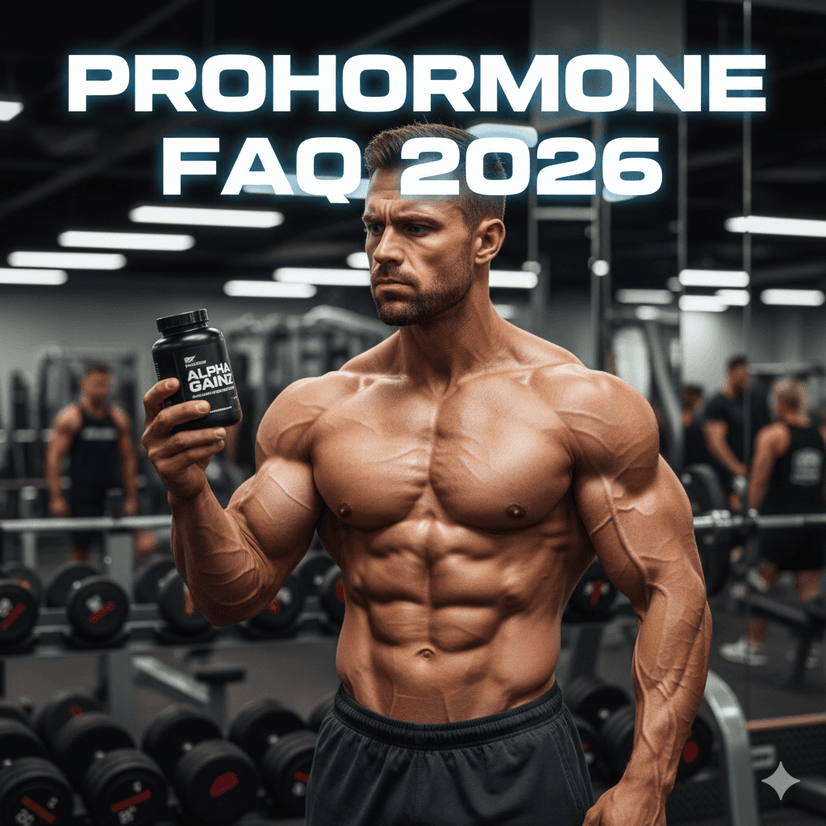
This FAQ page serves as a comprehensive guide to androgen prohormones, emphasizing the necessary knowledge required for safe and effective use, while navigating the complex regulatory landscape.

What is an androgen prohormone?

An androgen prohormone, or proandrogen, is scientifically defined as a prohormone (or prodrug) of an anabolic-androgenic steroid (AAS). These substances are chemically and pharmacologically related to testosterone and are expected to convert into active hormones, such as testosterone or nandrolone (19-nortestosterone), within the body. Historically, prohormones were viewed as steroidal molecules that had a molecular structure opposite to testosterone at either the 3a/b position or the 17b position, which the body's bidirectional enzymes were expected to convert into active hormones.

Are prohormones the same as anabolic steroids (AAS)?

Prohormones were traditionally marketed as substances expected to convert into active hormones in the body, with the intent of providing the performance benefits of AAS while avoiding the associated legal risks. However, the Anabolic Steroid Control Act of 2004 essentially blurred this distinction by placing both AAS and some androgen prohormones on a list of controlled substances. The legal definition of an AAS includes any hormonal substance that is chemically and pharmacologically related to testosterone.

Are prohormones legal in the U.S. in 2026?

Many prohormones were included on a list of controlled substances (Schedule III AAS) after the Anabolic Steroid Control Act of 2004 was signed into law. The Act's definition of an AAS broadly covers any hormonal substance chemically and pharmacologically related to testosterone, making it impossible for chemists to synthesize new legal substances linked to testosterone for athletic supplementation purposes in the future. Following the ban, laboratory controls have indicated that products claiming to include prohormones prohibited in the USA sometimes actually contain "classic" AAS of the previous generation.

What are some examples of prohormones that were added to the controlled substances list?

The legal amendment to the Controlled Substances Act, often called the Anabolic Steroid Control Act of 2004, enumerates several presently known prohormones that qualified as AAS. Examples of these listed Schedule III AAS prohormones include Androstanediol, Androstanedione, 4-Androstenedione, 5-Androstenediol, Norandrostenediol, and 19-Nor-5-androstenediol.

What is the difference between old (2010s) and new prohormones?

The primary difference between older prohormones (like Superdrol or H-Drol) and newer compounds lies in their chemical structure and delivery systems. Older prohormones were often methylated, whereas newer prohormones sold today are frequently non-methylated, meaning they are considered non-liver toxic. Current prohormones also feature improved delivery systems, such as Cyclosome or Liposomal Delivery, to enhance absorption rates. While the newer products are effective, they may not be as potent as the past generation of prohormones, which sometimes allowed users to gain upwards of 15 pounds in 4–6 weeks.

Are prohormones liver toxic?

The potential for liver toxicity depends greatly on the specific compound used; products deemed most liver toxic should be taken for a shorter duration of no more than four weeks. Previous generations of prohormones were commonly methylated, which generally denotes high liver toxicity. However, newer products are marketed as non-methylated and are considered non-liver toxic. Even with current supplements, there is a risk, particularly in Europe, that products labeled as prohormones contain "classic" AAS of unknown origin. One supplement that is recommended on cycle is Liver-Rx.

Can prohormones suppress natural testosterone production?

Yes, prohormones, like anabolic-androgenic steroids (AAS), disrupt the normal production of hormones in the body. Suppression of natural testosterone is a likely outcome of long-term prohormone use, leading to potential changes in mood and libido. If suppression occurs, stopping use can lead to withdrawal symptoms such as fatigue, restlessness, reduced sex drive, and depression. In cases of significant suppression (hypogonadism), endocrine therapies may be required to restore proper function. This is why it is always recommend to take PCT supplement post cycle, such as Arimiplex.

Can prohormones cause anxiety or panic attacks?

Yes, prohormones, particularly stimulating compounds like Epiandrosterone, are known to stimulate the nervous system and have reports from multiple users for causing anxiety. Anxiety is also considered a classic symptom of low estrogen (low E). This hormonal imbalance can occur if a user incorrectly stacks an anti-estrogen or aromatase inhibitor product with a DHT derivative, which may crash estrogen levels and lead to adverse effects like headaches, dry eyes, and loss of libido.

Do prohormones require Post Cycle Therapy (PCT)?

Yes, because prohormones suppress natural testosterone production hard, any cycle requires a full Post Cycle Therapy (PCT). A PCT aims to counter this suppression, as failure to run one risks symptoms of low testosterone, including weakness, low libido, depression, and muscle loss.

Can prohormones cause gynecomastia (gyno)?

Yes, estrogenic side effects, specifically breast development (gynecomastia or gyno), are a potential adverse effect associated with AAS and prohormone use. Prohormones that convert to testosterone, such as 4-Andro, have the potential to raise estrogen and cause side effects like water retention. It is recommended to keep an estrogen blocker (AI) on hand during the cycle to combat potential gynecomastia issues.

What are the general side effects associated with testosterone suppression?

Suppression of natural testosterone production, which happens during a suppressive prohormone cycle, can lead to numerous negative effects. These symptoms of low testosterone can include feeling weak, tired, depressed, experiencing low libido, erectile dysfunction, and muscle loss. Withdrawal symptoms when stopping use can also include fatigue, restlessness, insomnia, and reduced sex drive.

Do prohormones cause hair loss?

Yes, hair loss is listed among the androgenic side effects of anabolic-androgenic steroid misuse. Since hair loss is a concern for many prohormone users, mitigating the risk can usually be achieved by keeping the cycle length short, ideally no more than three to four weeks. Saw Palmetto can help reduce DHT.

How long should a typical prohormone cycle last?

Unlike anabolic steroid cycles which are often run for 6 to 8 weeks, prohormone cycles should be kept short because they are oral compounds that are rapidly absorbed and processed, which can quickly raise androgen levels and impose liver stress. Recommended approaches include a short 2 weeks on/2 weeks off cycle, which minimizes side effects and reduces muscle loss post-cycle. The most popular approach is 4 weeks on/4–6 weeks off, which is considered as long as is necessary to maximize muscle gains while keeping side effects and losses in mass post cycle to a minimum.

How long does it take for prohormones to kick in?

Since prohormones are oral compounds that are rapidly absorbed by the body, users may experience measurable gains in androgen levels from day one. Users often begin noticing small changes in gym performance and muscle fullness within days, with more significant or larger changes appearing within the first couple of weeks. For some products, it takes about two to three weeks to fully kick in, leading many users to run an extended cycle (like eight weeks) to maximize results.

What supplements are used for Post Cycle Therapy (PCT) after a prohormone cycle?

Post Cycle Therapy (PCT) typically requires the use of a Selective Estrogen Receptor Modulator (SERM) to help restore natural hormone function. But most of the legal prohormones now only request something such as Arimiplex. Commonly cited SERMs include Nolvadex (Tamoxifen) and Clomid. However, it is often recommended to use Enclomiphene over Clomid, as Clomid is known for potentially causing negative emotional and psychological side effects, including mood swings, depression, and anxiety.

Should I take an Estrogen Blocker (AI) during my prohormone cycle?

An Aromatase Inhibitor (AI) should generally be kept available and taken only if symptoms of high estrogen are noticed, such as excessive bloating/water retention, high blood pressure, or sensitive nipples. Taking an AI preemptively is not the preferred method because Estrogen (E2) is highly anabolic and essential for normal functions; crashing E2 levels can lead to side effects that are worse than high estrogen sides.

Is it safe to stack prohormones with stimulants like coffee?

No, it is generally unsafe to stack stimulating prohormones with stimulants such as coffee at the same time of the day. Compounds like Epiandrosterone are already highly stimulating to the nervous system, and combining them with coffee can lead to overstimulation. This overstimulation can result in high blood pressure, sharp headaches, and trigger anxiety or panic attacks. We recommend waiting a couple hours before taking stimulants with your prohormones.

Should a beginner start with a stack or a solo prohormone?

A beginner should start with a solo prohormone before attempting to stack, so they can assess how the product works for them and adjust accordingly. Running a solo cycle simplifies the process and allows the user to learn their initial response to the compounds, whereas throwing in another compound, or stack, is going to give more potential side effects to worry about. For advanced users seeking aggressive results, stacking compounds is an option.

What is the recommended first prohormone cycle for a beginner?

The recommendation for a beginner's first cycle generally depends on their fitness goal. For leaning or cutting, 1-Testosterone (a 1-Andro compound) is recommended, although users should note potential side effects like lethargy and low libido. A very low-risk introductory option for cutting is 11-kt (Ultra Eleven), as it is known for having minimal sides and does not cause suppression. For beginners focused on bulking and gaining mass, a 4-Andro compound (which converts to testosterone) is suggested.

Are prohormone gains permanent?

Users who have run prohormone cycles for years report that they never really lost the gains made. Although some users experience a slight drop in the extra "power" during the initial week of Post Cycle Therapy (PCT), the strength and mass are usually maintained and recovered in the subsequent weeks.

Are topical/transdermal prohormones better than oral pills?

Topical or transdermal delivery is considered advantageous compared to the oral delivery of current prohormones. This method allows for more efficient delivery of the compounds into the bloodstream.

Should I use a "Test Base" with non-testosterone prohormones?

Any suppressive cycle, including those using prohormones, needs a base of testosterone to replace the body's natural production, which will be shut down. Without a testosterone base, users risk feeling weak, depressed, and experiencing low libido and muscle loss. If a prohormone (like a 1-Andro compound) causes side effects such as lethargy and loss of libido, stacking it with a compound that converts to testosterone, like 4-Andro (4-DHEA), is typically needed to combat these issues and provide the required base.

How effective are modern legal prohormones compared to old, banned ones or steroids?

Modern legal prohormones are considered effective, particularly when utilizing newer delivery systems like Cyclosome or Liposomal Delivery. However, they are generally not considered as potent as the previous generation of banned prohormones. Some users report that today's prohormones feel fairly weak and that strength gains increase only at the same rate as they were progressing naturally before starting the product.

What are the sides associated with 1-DHEA (1-Andro) compounds?

Compounds like 1-DHEA (also known as 1-Andro) are known for side effects such as lethargy and loss of libido. To combat these issues, users often stack 1-DHEA based products with other prohormones, such as 4-DHEA (4-Andro), which is a prohormone to testosterone.

Do prohormones show up on drug tests?

Prohormone products frequently carry warnings that they may result in false positives on drug tests. In the context of tested sports, prohormones and other anabolics are generally banned. Furthermore, athletes are held responsible for any prohibited substance found in their samples, regardless of whether ingestion was intentional or unintentional.

How long do prohormones stay in your system (detection time)?

The length of time a prohormone remains detectable in the body depends entirely on the specific chemical compound utilized. To estimate the detection time, users must research the half-life of the compound they are using; this half-life is defined as the time needed for half of the initial starting dose to be left in the body.

What is the role of HCG (Human Chorionic Gonadotrophin) during a prohormone cycle?

Human Chorionic Gonadotrophin (HCG) is often used during a suppressive cycle to help keep the testes full. By using HCG during the cycle, users aim to aid the recovery process once they reach the end of the cycle and begin Post Cycle Therapy (PCT).

Why are topical prohormones applied to the chest or shoulders?

Topical prohormones are applied to locations like the upper chest, shoulders, or upper back/traps because these areas possess thinner skin and a reduced amount of subcutaneous fat. This choice of site is based on optimizing the delivery of the compounds into the bloodstream as efficiently as possible, rather than achieving site-specific muscle gains.

Why should I get bloodwork done when using prohormones?

Regular blood work is strongly encouraged throughout the entire process: before, during, and after a cycle. Pre-cycle bloodwork helps assess baseline health, while mid-cycle bloodwork confirms the product's legitimacy and proper dosing. Post-cycle bloodwork is essential for assessing hormone levels and ensuring recovery from suppression. Furthermore, blood work is the only way to know 100% if high estrogen symptoms are indeed due to estrogen, and if an Aromatase Inhibitor (AI) dose is appropriate.

What are the symptoms of high estrogen while on cycle?

High estrogen (E2) levels can manifest through several signs that may necessitate using an Aromatase Inhibitor (AI). These symptoms include excessive bloating and water retention, sensitive or puffy nipples, high blood pressure, and the development of gynecomastia.

Sources

URL: https://en.wikipedia.org/w/index.php?title=Androgen_prohormone Wikipedia Article on Androgen Prohormone, covering chemical definitions, legal status, and lists of Schedule III controlled substances.
URL: https://www.reddit.com/r/prohormones/ Compilation of community threads from the r/prohormones subreddit discussing beginner mistakes, Epiandro side effects, PCT logistics (Clomid vs. Enclomiphene), cycle advice, and transdermal application.
URL: https://www.reddit.com/r/hitechprohormones/ Community forum thread providing answers about Hi-Tech Pharmaceuticals products, comparing old vs. new (non-methylated) prohormones, and discussing appropriate cycle duration and stacking.
URL: https://www.drugabuse.gov/publications/research-reports/steroids-other-appearance-performance-enhancing-drugs-apeds NIDA Report on Steroids and Other Appearance and Performance Enhancing Drugs (APEDs), detailing the legal landscape (post-2004 Act), hormonal and cardiovascular risks of misuse, and warnings regarding banned substances in supplements.
URL: https://www.reddit.com/r/steroids/wiki/your_first_cycle/ Guide from the r/steroids wiki emphasizing the mandatory requirement for a Testosterone base during any suppressive cycle (including prohormones), proper PCT protocols (SERMs), managing Aromatase Inhibitors (AIs) only when sides necessitate, and the importance of bloodwork.

Dec 8th 2025 Jeff Moriarty
Author
Jeff Moriarty
Jeff has been in the fitness and supplement industry for almost 20 years. He is an avid bodybuilder and helps others with lifting techniques, as well as the best vitamins and supplements they should take for the goals they have. You can find him on LinkedIn and Youtube.
Jeff Moriarty

Recent Posts

supplementwarehouse.com widget logo