
What Does a Pre Workout Do? The Evidence, Risks & Results
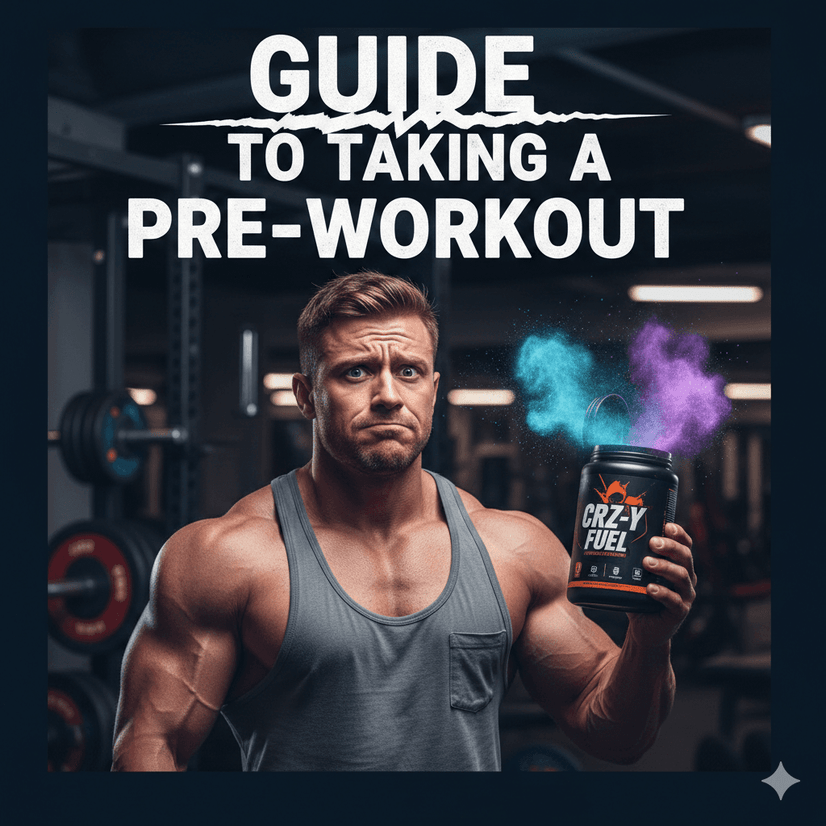
Pre-workout supplements promise energy, focus, and better performance, but which claims hold up? This guide breaks down what’s in the tub, how those ingredients work, and whether they’re worth it over the possible risks associated with pre-workouts. You’ll see where caffeine shines, how nitric oxide boosters affect blood flow, and who should skip these products or get medical advice. We’ll cover dosing, daily use, safety, and third‑party testing, plus energy and pump food alternatives. Ready to separate marketing from evidence and get results without unwanted side effects?
1. What pre-workout is and what it does
A pre-workout refers to a group of supplements or drinks taken before training to boost energy, focus, stamina and pumps. Formulas vary from powders, capsules, liquids, and even “stim-free” versions. Typical ingredients in these pre-workout supplements target energy, blood flow, and mental drive to enhance your workouts.
These types of products aim to sharpen focus, increase power output, delay fatigue, and support workout volume to improve your workouts and result in more lean muscle mass and strength over time. Effects depend on dose, timing, and individual tolerance to different pre-workout supplements.
1.1 Main Ingredients in Pre-Workouts
All pre-workout supplements contain different ingredients, but there are some essential and popular ingredients that most contain. These include:
- Beta-alanine ( – g/day) builds intramuscular carnosine, tingling aside, to delay acid buildup during hard intervals.
- Citrulline malate (6–8 g) or pure citrulline (3–6 g) boosts nitric oxide, supporting blood flow and set volume. Creatine sometimes appears, though daily dosing matters more than timing.
- Tyrosine (500–2,000 mg) supports focus under stress
- Theanine (100–200 mg) smooths stimulants.
- DHMA (100-200mg) can enhance focus and energy.
1.2 Core effects on energy, performance, and focus
Caffeine and other stimulants in pre-workout supplements spike alertness and reaction time via adenosine blockade. Beta-alanine, a popular ingredient in pre-workouts, buffers hydrogen ions, extending high-intensity efforts by 1–3%. Citrulline, probably the most popular of all pre-workout ingredients, raises nitric oxide, aiding blood flow and set volume. And don't forget the pumps. Tyrosine, which can be found in many pre-workouts, supports cognition under stress; theanine tempers jitters without blunting motivation.
1.3 How pre-workout supplements work
Caffeine and other stimulants block adenosine, spike catecholamines, and speed calcium release in muscle, translating to faster drive, more energy and increased sprint power. Beta-alanine raises intramuscular carnosine to buffer acidity during repeated efforts, which can result in more reps and sets per workout. Citrulline boosts arginine and nitric oxide, improving flow, pumps and set endurance. Tyrosine replenishes catecholamine pools and theanine steadies arousal without muting motivation.
2. Long-term Use, Dependency, and Withdrawal
Daily high-stim use can build tolerance within weeks, blunting alertness, energy and pumps. Many users report reliance to start sessions as well. Stopping cold turkey can trigger headaches, fatigue, low mood, and sleep rebound for 2–7 days. We recommend to cycle pre-workouts (e.g., 8–12 weeks on, 1–2 weeks off), rotate non-stim formulas, or only take heavy stimulant pre-workouts a few times per week when needed.
3. Pregnancy, Breastfeeding, and Young Users
Pregnancy raises risks including issues such as caffeine crossing the placenta, yohimbine and rauwolscine lack safety data, and high niacin or beta-alanine can cause distress. Lactation passes stimulants to milk, unsettling infants. Some pre-workouts on the market are pregnancy sage, but you should always speak with your doctor first. Teens who take pre-workouts can face amplified blood pressure spikes, sleep disruption, and dependency. We recommend pre-workouts not taken until in your 20's as your energy levels are already spiked when you are in your teens.
4. How to use pre-workout
This can vary from person to person. Most users time it up so they take their pre-workout supplement 30–45 minutes pre-gym. New users should start with half serving to assess caffeine tolerance. Also, cap daily caffeine near 400 mg from all sources, which will help you get the most effects. Hydrate well while taking a pre-workout and make sure then to sip water during training.
4.1 Is take a pre-workout every day neccessary?
Daily use isn’t necessary for most people. Caffeine tolerance builds within days, blunting energy, focus, and power benefits, so cycling 1–2 days off per week helps keep the “kick” going for weeks to months.
If you train early or face long sessions, a modest daily dose may help, but watch total caffeine and sleep throughout the entire day. If jitters, anxiety, or sleep disruption show up, scale back or switch stimulant-free.
We recommend that users take pre-workouts on days they need it only. Do not take daily, especially pre-workouts with high levels of caffeine or other stimulants.
4.2 How long do pre-workouts last?
Most stimulant-based pre-workouts reach peak effects 30–60 minutes after dosing and last 2–4 hours. This is a big reason you shouldn't take pre-workouts late at night before sleep. Caffeine’s half-life averages 4–6 hours, so late-afternoon use can disrupt sleep, even if the “buzz” fades sooner.
Time your pre-workout at least 4 hours before sleep. Or if you workout late, consider a non-stimulant pre-workout supplement.
4.2.1 How long does it take a pre-workout to kick in?
According to most users, it takes about 15-45 minutes for a pre-workout supplement to kick in.
5. Effectiveness — do pre-workouts actually work (evidence summary)
Research shows mixed but meaningful effects of pre-workouts. Caffeine and other performance improve strength, power, energy and performance. It is one of the few supplements that you can feel the effects of within just one dose.
Pre-Workout Supplements and Their Effects on Cardiovascular Health: An Integrative Review
Pre-workout supplements: why five of the six most common ingredients probably aren’t helping you
6. Key ingredients and mechanisms
Pre-workouts combine stimulants, buffers, phosphagen support, vasodilators, and amino acids to improve energy, fatigue, and blood flow. Everything users want from their workouts. Caffeine drives alertness and power. Beta-alanine buffers acid. Creatine supports rapid ATP recycling. Citrulline and nitrates widen vessels. Branched-chain and other amino acids modulate fatigue and recovery, rounding out common formulations and effects. These are all characteristics of a solid pre-workout supplement.
6.1 Caffeine: dosing, effects, and sensitivity
Typical doses depend on experience. For beginners, we recommend 150-200mg of caffeine with minimal other stimulants. 3–6 mg/kg, 30–60 minutes pre-exercise; heavy users may need more for the same effect. Genetic variants (CYP1A2, ADORA2A) and tolerance shape response. Side effects include jitters, sleep disruption, and higher heart rate.
6.2 Nitric oxide boosters (citrulline, nitrates) and blood flow
Citrulline and nitrates raise nitric oxide, widening vessels and improving muscle pumps and vascularity. L-citrulline (6–8 g) reliably boosts arginine and NO, with small-to-moderate gains in high-rep work. Beetroot nitrates enhance time-to-exhaustion and sprint repeats. Glycerol can increase water into the muscle cells further increasing pumps.
6.3 What in a pre-workout supplement makes you itch?
This is a very common question and issue many users have, especially if new to pre-workouts. The main culprit for causing itching and tingling issues when taking pre-workouts is beta-alanine. Now this effect will wear off and continued use of that product, but some users just hate it. In that case, we would recommend that you look for a pre-workout supplement with no beta-alanine.
6.4 Will a pre-workout break a fast?
Most fasts break when calories, protein, or sweeteners trigger insulin or gut signaling. Plain caffeine, beta‑alanine, citrulline, and electrolytes are typically calorie‑free and unlikely to interrupt a fasting window. Pre‑workouts with 10–20 g carbs, BCAAs, or 4–8 g straight sugars will. Artificial sweeteners are mixed: minimal calories, but they may nudge insulin or appetite in some people. Check labels; stim‑only, zero‑cal options suit fasting. So after all this information, basically check with the pre-workout you plan on buying. Some could break your fast while others may not.
7. Risks, safety, and alternatives
Pre-workouts can carry trade-offs that go beyond pumps and performance. Some issues that users report include jitters, nausea, headaches, itching, diarrhea, and spikes or drops in blood pressure. Rare, but it does happen. These effects are normally worse, the stronger pre-workout you use. Chronic high use of stimulant heavy pre-workouts can drive tolerance, poor sleep, and dependency cycles. People with heart, blood pressure, thyroid, seizure, kidney, or anxiety disorders, or those pregnant or on medications, should seek medical advice before taking a pre-workout supplement.
7.1 Quality, third-party testing, and proprietary blends
Labels on non-well established companies can often hide risk. Independent certification from NSF Certified for Sport or Informed Choice screens for contaminants, banned substances, and accurate dosing. This is vital if you’re an athlete or take medications. Look for lot-specific certificates of analysis that include microbial and heavy metal testing, not just marketing badges that may be nothing but look good on the label.
Proprietary blends can complicate things. A 4‑gram “energy matrix” might mask 300 mg caffeine plus yohimbine or synephrine, raising heart rate and anxiety. Transparent labels let you gauge beta-alanine, citrulline, and creatine against studied ranges. If a brand won’t disclose amounts, consider single-ingredient alternatives or stimulant-free stacks you can dose precisely. We carry many pre-workouts with proprietary blends and some with transparent labels.
7.2 Who should avoid or seek medical advice
People with hypertension, arrhythmias, anxiety disorders, thyroid disease, glaucoma, or GERD should be cautious with stimulant-heavy pre-workouts. Pregnant or breastfeeding individuals, teens, and anyone with a history of seizures or kidney disease should skip them or use stimulant-free options. Those on SSRIs, SNRIs, MAOIs, stimulants, nitrates, warfarin, or diabetes medications should speak to their physician about the the ingredients in the pre-workout before use.
We recommend that you consult a medical professional if you’ve ever felt palpitations, dizziness, chest tightness, or tingling beyond mild beta‑alanine paresthesia.
7.3 Food-first strategies and simple alternatives - meals and snacks
What are some good alternatives to pre-workout supplements that are more "natural?" A heavy dose of carbs can give you a nice jolt of energy as well as pushing more water into your muscle cells to increase those pumps. Do this within 3-4 hours of your workout. Then 20–30 g fast-digesting protein within 1–2 hours of training. Add 500 ml water with a pinch of salt to support plasma volume. Coffee 30–45 minutes before lifting matches many pre-workout powders as well.
If you are looking for natural pumps, some foods excellent for that include beets or beet root juice, oatmeal, bananas, whey protein and/or spinach and arugula.
7.4 Can a pre-workout go bad or expire?
Yes, pre-workouts, like other products, can go bad and expire. Most powders carry 1–2 year shelf lives, but heat, humidity, and oxygen shorten that. Clumping alone doesn’t equal spoilage, but odd odor, bitter off-notes, color streaking, or fizzing suggest degradation of your pre-workout supplement.
Store your pre-workout sealed in a cool, dry place with the desiccant. Avoid scooping with wet utensils. Once opened, aim to finish within 3–6 months for reliable effects. These tips will keep your pre-workout tasting good and giving you the results you want.

†The content of this blog post is intended solely for reference and entertainment purposes. We do not offer medical advice or specific guidance regarding the products discussed. Our insights are based on a combination of anecdotal experiences, online studies/reviews, manufacturer details, and customer feedback. While we strive to present accurate and current information, we cannot assure its completeness or its alignment with the most recent product formulations or data. For any concerns or up-to-date information, we recommend visiting the manufacturer's website directly. The opinions and information provided here do not necessarily reflect the views of Supplement Warehouse; they represent the perspectives and information from the manufacturers and users. Furthermore, these statements have not been evaluated by the Food and Drug Administration. The products mentioned are not intended to diagnose, treat, cure, or prevent any disease or illness.
Recent Posts
-
Lipodrene Original vs. Xtreme vs Hardcore vs Elite
Hi-Tech Pharmaceuticals Lipodrene is our most popular fat burning and weight loss supplement we have
-
Is 3-AD Prohormone Supplement Worth It? Let's Talk Truth, Science, and Alternatives
In the ever-expanding world of prohormones, the 3-AD supplement "slash" prohormone often pops up as
-
Black Magic Wand Supplement vs Nutrabio Libido
This is Jeff with Supplement Warehouse. We talk to a lot of male customers each day about ways to in
